Services
WooCommerce Development Services
Akif Wani builds custom WooCommerce stores on WordPress, covering catalogue architecture, variable products, wholesale and B2B pricing tiers, checkout optimisation, and payment gateway integration. A WooCommerce store starts at ${PRICES.ecommerce} for up to ${ECOMMERCE_BASE_PRODUCTS} products, with each additional block of ${ECOMMERCE_BASE_PRODUCTS} products adding ${PRICES.additionalProductsAmount}. Recent builds include a dual B2B/B2C luxury retailer and a compliance-sensitive premium storefront.
Last updated:
What's included
Store architecture and catalogue setup
Product types, attributes, categories, and filtering designed around how customers actually shop your catalogue — not a flat list of SKUs. This is the decision that determines whether your store stays usable at 500 products.
Variable and configurable products
Products with size, colour, quantity, or specification variants, modelled so stock resolves against the correct pool. Set up incorrectly, variants become independent products and the store oversells.
B2B wholesale and tiered pricing
Role-based pricing so wholesale accounts see trade rates and retail customers see retail, from one catalogue and one stock pool. Includes gated trade catalogues and wholesale account application and approval flows.
Checkout optimisation
Checkout is where revenue leaks. Field count is reduced to what is genuinely required, the flow is tested on mobile, and required compliance messaging is placed inline rather than as an interrupting modal.
Payments, shipping, and tax
Gateway integration, shipping rules and zones, and tax configuration set up and tested as part of the build, so the store is transactionally correct at launch rather than after a fortnight of live fixes.
Performance on an image-heavy store
Product photography is what sells, and what breaks Largest Contentful Paint. Responsive image delivery, deferred off-screen media, and a trimmed plugin stack keep the store fast without downgrading the photography.
Who this is for
- Retailers who want to own their store outright with no per-transaction platform fee
- Brands selling to both wholesale and retail customers from one catalogue
- Stores with complex variable products that hosted platforms handle badly
- Businesses in regulated categories needing compliance-aware checkout
- Existing WooCommerce stores that are slow, oversell, or lose customers at checkout
When this isn't the right fit
If you are selling five simple products and have no technical resource at all, Shopify's hosted model will be less work to run even with its transaction fees. WooCommerce gives you ownership and flexibility, but you are responsible for hosting, updates, and backups — that trade is only worth it if the flexibility matters to you.
Process & timeline
- Step 1
Catalogue and requirements scoping
2–3 daysProduct count, variant structure, customer types, payment and shipping requirements, and any compliance constraints. Catalogue architecture is decided here because it is expensive to change later.
- Step 2
Design
5–10 daysStorefront, category, product, cart, and checkout layouts reviewed before build. Product and checkout pages get the most attention — they carry the revenue.
- Step 3
Build and configuration
2–4 weeks depending on catalogue sizeTheme, templates, product import, variant setup, pricing rules, payment gateway, shipping zones, and tax. Delivered to a staging store you can place real test orders through.
- Step 4
Test transactions
2–4 daysEnd-to-end order testing across payment methods, shipping zones, and customer roles, including refunds and order-status emails, before anything goes live.
- Step 5
Launch
1 dayDNS cutover, SSL, live payment credentials, redirects, and analytics with e-commerce tracking. First live orders are monitored.
- Step 6
Handover and support
Ongoing by arrangementTraining on adding products, managing stock, and processing orders, plus a post-launch support window.
Tools & pricing
Tech stack
- WooCommerce
- WordPress
- PHP
- MySQL
- Custom WooCommerce templates
- Role-based pricing
- Payment gateway APIs
- Stripe
- PayPal
WooCommerce store
From $1,000
A complete store with up to 15 products — catalogue, cart, checkout, accounts, payments, and shipping.
Additional products
+$150 per 15 products
Catalogue expansion beyond the first 15 products, covering setup, variants, and imagery placement.
Add-on: Advanced SEO setup
+$350
Product and category structured data, metadata, sitemap, and search console configuration.
Add-on: Speed optimisation
+$250
Core Web Vitals work tuned for image-heavy commerce pages.
B2B wholesale pricing systems, gated trade catalogues, subscription products, and multi-currency setups are quoted separately because their complexity varies enormously. You get a fixed written quote before work begins.
WooCommerce Development case studies

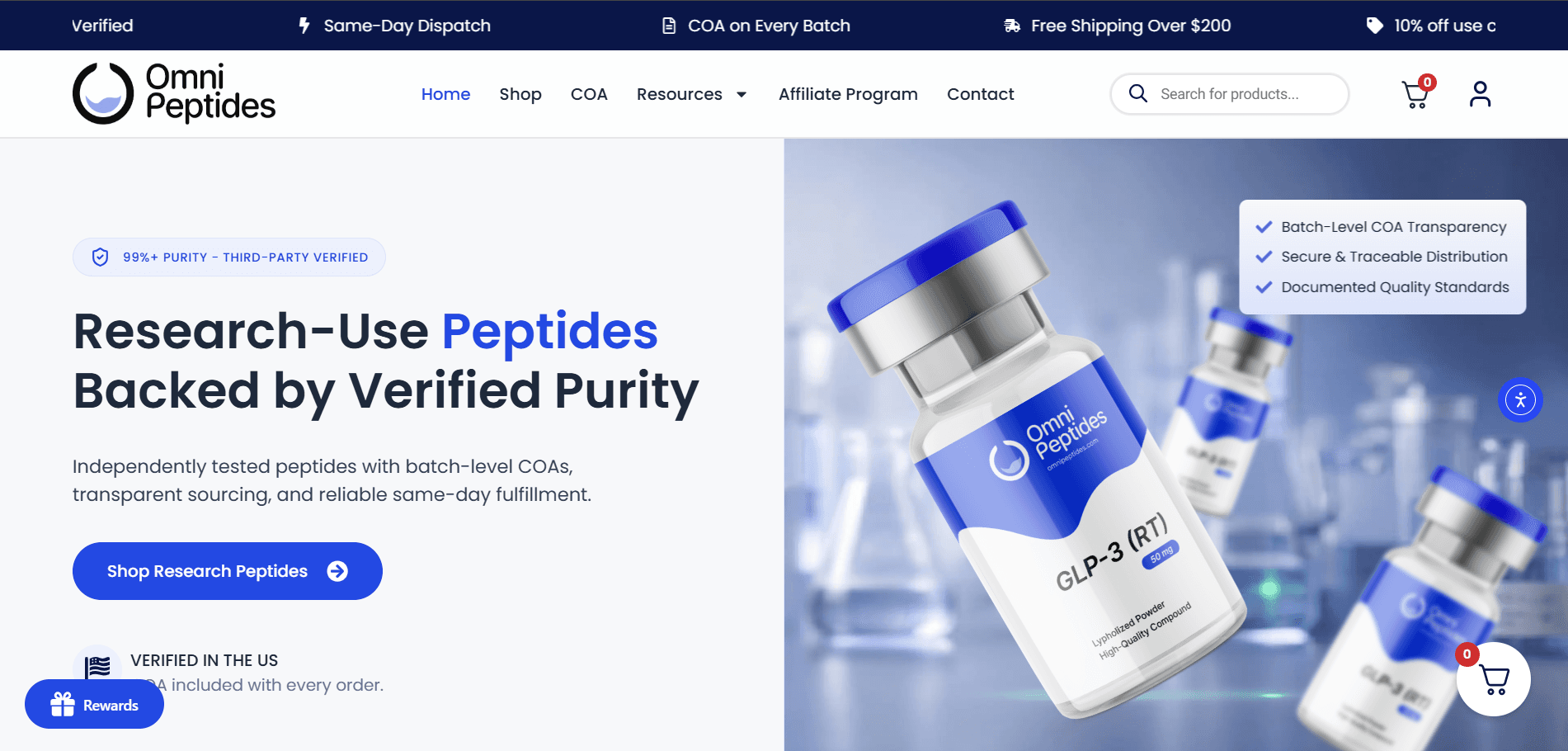
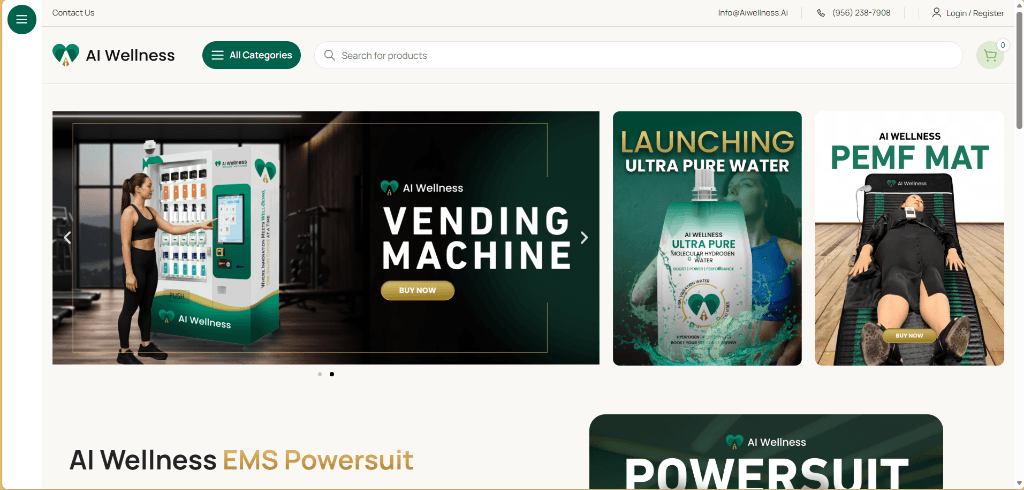
WooCommerce
WooCommerce Development FAQs
How much does a WooCommerce store cost to build?
A WooCommerce store from Akif Wani starts at $1,000 for up to 15 products, with each additional block of 15 products adding $150. Advanced SEO setup adds $350 and speed optimisation adds $250. B2B wholesale pricing systems and subscription products are quoted separately. Every project is quoted at a fixed price in writing before work starts.
Is WooCommerce better than Shopify?
WooCommerce is better when you want to own your store outright, avoid per-transaction platform fees, and need customisation Shopify's theme system restricts — particularly B2B wholesale pricing and complex product logic. Shopify is better when you want a hosted platform with no server responsibility and a simple catalogue. WooCommerce costs less over time at volume; Shopify costs less in operational effort.
Can you set up wholesale or B2B pricing in WooCommerce?
Yes. Wholesale pricing is implemented with role-based rules so trade accounts see trade rates and retail customers see retail, from a single catalogue and a single stock pool. This includes gated trade-only product lines and a wholesale account application and approval flow. Fire & Ash Hair runs exactly this setup, serving salon wholesale and direct retail from one store.
How many products can WooCommerce handle?
WooCommerce handles catalogues of tens of thousands of products when the architecture and hosting are right. Performance problems at scale almost always come from poor product-attribute structure, unindexed database queries, or shared hosting rather than from WooCommerce itself. Catalogue architecture is decided during scoping precisely because it determines how the store behaves as it grows.
Can you fix a WooCommerce store that is slow or overselling?
Yes. Overselling is usually caused by product variants set up as independent products so stock decrements against the wrong pool — fixable by remodelling the variant structure. Slowness on commerce sites is typically unoptimised product imagery, plugin conflicts, and uncached queries. Both start with an audit of the existing store before any work is quoted.
Which payment gateways can you integrate?
Stripe, PayPal, and the major regional gateways are all supported, along with any provider offering a WooCommerce extension or a documented API. Gateway integration, shipping zones, and tax rules are configured and tested with real test transactions as part of the build, so the store processes orders correctly from day one rather than being debugged live.
Do I own my WooCommerce store?
Yes, completely. WooCommerce is open-source software running on hosting you control, so you own the code, the database, the customer list, and the order history outright. There is no per-transaction platform fee and no risk of a platform changing terms on you. The trade-off is that hosting, updates, and backups are your responsibility.
Can you migrate my store from Shopify to WooCommerce?
Yes. Products, variants, customers, and order history are migrated, and old URLs are mapped to 301 redirects so search rankings survive. The main planning work is matching Shopify app functionality to WooCommerce equivalents, since apps rarely map one-to-one. Migrations are quoted after reviewing the existing store's catalogue size and app dependencies.
Need woocommerce development?
Describe what you need and you will get a fixed written quote covering price, timeline, and deliverables. Scoping usually takes 24–48 hours.
Or email info@akifwani.com