Services
Next.js & React Development Services
Akif Wani builds custom web applications and high-performance marketing sites with Next.js, React, TypeScript, Supabase, and Tailwind CSS. This is the right choice when a CMS cannot express what you need — application logic, authenticated dashboards, custom interfaces, or performance beyond what WordPress delivers. Projects are typically deployed on Vercel with server-side rendering or static generation.
Last updated:
What's included
Custom web application development
Applications with real logic — authentication, user accounts, dashboards, data entry, permissions — built on the Next.js App Router with server components where they belong and client components only where interactivity requires them.
High-performance marketing sites
Statically generated or server-rendered marketing sites where load speed is a competitive requirement. Content is server-rendered so it is fully visible to search engines and AI crawlers rather than appearing only after hydration.
Database and backend integration
Supabase or Postgres for data and authentication, with typed queries and row-level security. API routes for server-side logic, third-party integrations, and anything that must not run in the browser.
Headless WordPress front ends
Where you want WordPress as an editing experience but Next.js as the front end, content is pulled through the WordPress REST API or GraphQL into a statically generated site — editors keep the admin they know, visitors get a static front end.
API and third-party integration
Payment providers, CRMs, email platforms, and any documented REST or GraphQL API, integrated server-side so credentials stay out of the browser.
Deployment and performance
Deployment on Vercel with correct caching and revalidation, image optimisation through next/image, and fonts served locally. Core Web Vitals are treated as a build requirement, not a post-launch cleanup task.
Who this is for
- Startups and SaaS products needing a marketing site plus an authenticated application
- Businesses whose requirements have outgrown what a CMS can express
- Teams who want WordPress editing with a fast static front end
- Companies needing internal tools, dashboards, or customer portals
- Anyone whose site must be fast enough that page speed is part of the product
When this isn't the right fit
If your site is mostly content pages your marketing team updates weekly, Next.js is over-engineering — WordPress will cost less and serve you better. Next.js earns its cost when there is genuine application logic, a performance requirement, or a need for interface control a CMS cannot give you.
Process & timeline
- Step 1
Technical scoping
2–4 daysWhat the application does, what data it holds, who logs in, what it integrates with, and what the performance requirement is. This produces an architecture decision and a fixed quote.
- Step 2
Design and data modelling
5–10 daysInterface design alongside the database schema, since they constrain each other. Getting the data model right before build is what prevents expensive rewrites later.
- Step 3
Build
2–6 weeks depending on scopeComponent development, routing, database and API integration, and authentication, delivered to a preview deployment updated continuously so you can follow progress rather than wait.
- Step 4
Testing and review
3–7 daysFunctional testing across devices, edge-case handling, and your review against the agreed scope with revisions included.
- Step 5
Launch
1 dayProduction deployment, domain and SSL configuration, environment variables, analytics, and monitoring.
- Step 6
Handover and support
Ongoing by arrangementDocumented codebase, deployment walkthrough, and a post-launch support window. You own the repository outright.
Tools & pricing
Tech stack
- Next.js
- React
- TypeScript
- Tailwind CSS
- Supabase
- PostgreSQL
- Node.js
- Vercel
- REST and GraphQL APIs
- Headless WordPress
Landing page or marketing site
From $200 per page
Statically generated marketing pages built in Next.js, priced per page.
Multi-page application or site
From $800
A complete Next.js site or small application with routing, content structure, and integrations.
Custom web application
Quoted per project
Applications with authentication, databases, dashboards, or complex logic are scoped and quoted individually because their requirements vary too widely for a starting figure to be meaningful.
Add-on: Speed optimisation
+$250
Core Web Vitals work on an existing Next.js or React application.
Application work is quoted per project rather than from a starting price, because a dashboard with three screens and a dashboard with thirty are not the same job. You get a fixed written quote after technical scoping — never an open-ended hourly arrangement.
Next.js Development case studies
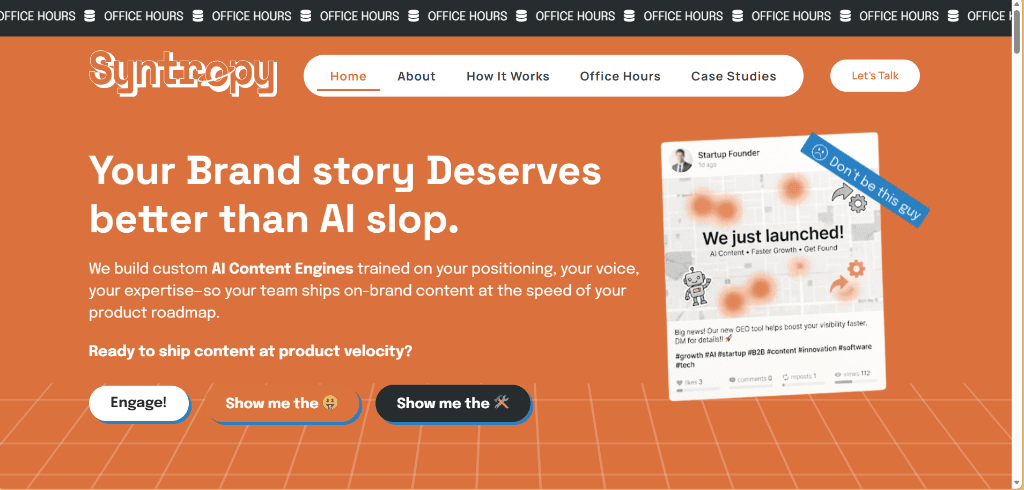

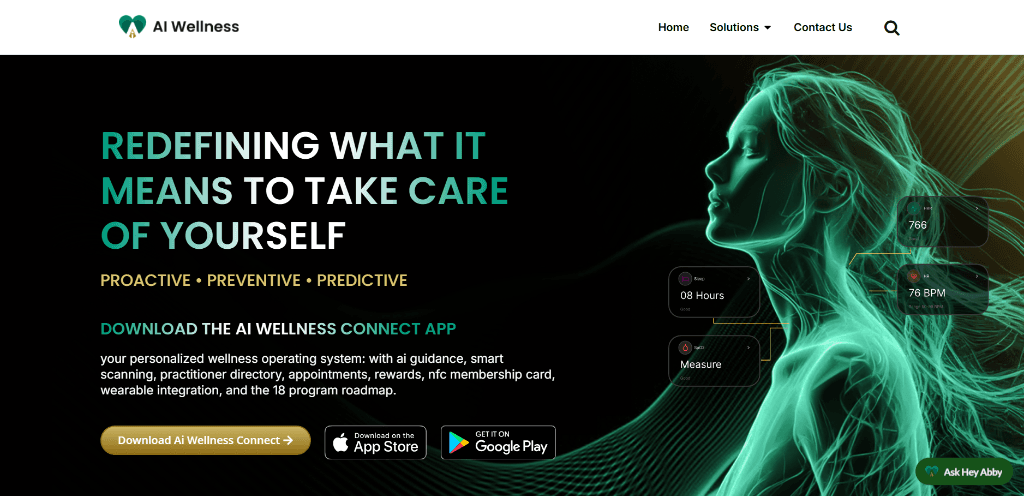
Next.js & React
Next.js Development FAQs
When should I use Next.js instead of WordPress?
Use Next.js when your project has genuine application logic — user accounts, dashboards, permissions, complex interactivity — or when performance is a competitive requirement. Use WordPress when the site is mostly content your team publishes and edits regularly. Choosing Next.js for a straightforward brochure site means paying developer rates for changes a CMS would let your marketing team make themselves.
How much does a Next.js website cost?
Next.js marketing pages start at $200 per page and a multi-page Next.js site starts at $800. Custom applications with authentication, databases, or dashboards are quoted per project after technical scoping, because requirements vary too widely for a starting figure to be useful. Every project is quoted at a fixed price in writing before work begins.
Is Next.js good for SEO?
Yes, provided content is server-rendered or statically generated rather than fetched client-side. Next.js renders pages on the server by default in the App Router, so content appears in the initial HTML where search engines and AI crawlers can read it. A React single-page application that renders only after JavaScript executes is substantially harder for crawlers to index reliably.
Can you build a headless WordPress site with Next.js?
Yes. Content is managed in the WordPress admin your editors already know and pulled into a Next.js front end through the REST API or GraphQL, then statically generated. Editors keep their familiar workflow, visitors get a static front end, and the WordPress installation is no longer publicly exposed. This suits content-heavy sites with a hard performance requirement.
What database do you use with Next.js?
Supabase is the usual choice, giving PostgreSQL with built-in authentication and row-level security, which covers most application requirements without assembling separate services. Plain PostgreSQL or another provider is used where a project calls for it. The database schema is designed during scoping, before build, because changing the data model later is where projects lose time.
Where are Next.js projects deployed?
Vercel by default — it is built by the Next.js team and handles server rendering, static generation, image optimisation, and preview deployments without configuration work. Projects can be deployed elsewhere if you have an existing platform requirement. You own the repository, so you are never locked to a hosting choice.
Do I own the code you write?
Yes. You own the repository and the code outright on completion, with no licensing restriction and no dependency on Akif Wani for future changes. Handover includes a documented codebase and a deployment walkthrough so another developer can pick the project up without a discovery phase.
Need next.js development?
Describe what you need and you will get a fixed written quote covering price, timeline, and deliverables. Scoping usually takes 24–48 hours.
Or email info@akifwani.com